Mastering the Art of Working Between Studio and Outdoor Photography: A Guide for Photographers
Photography is a craft where versatility is key. As a photographer, the ability to adapt your skills between the controlled environment of a studio and the ever-changing conditions of the outdoors is crucial. Each setting presents unique challenges and opportunities, but when harnessed together, they can take your work to the next level.
Whether you're just starting out or are an experienced photographer looking to improve your workflow between studio and outdoor shoots, this blog will provide tips on managing these environments effectively.
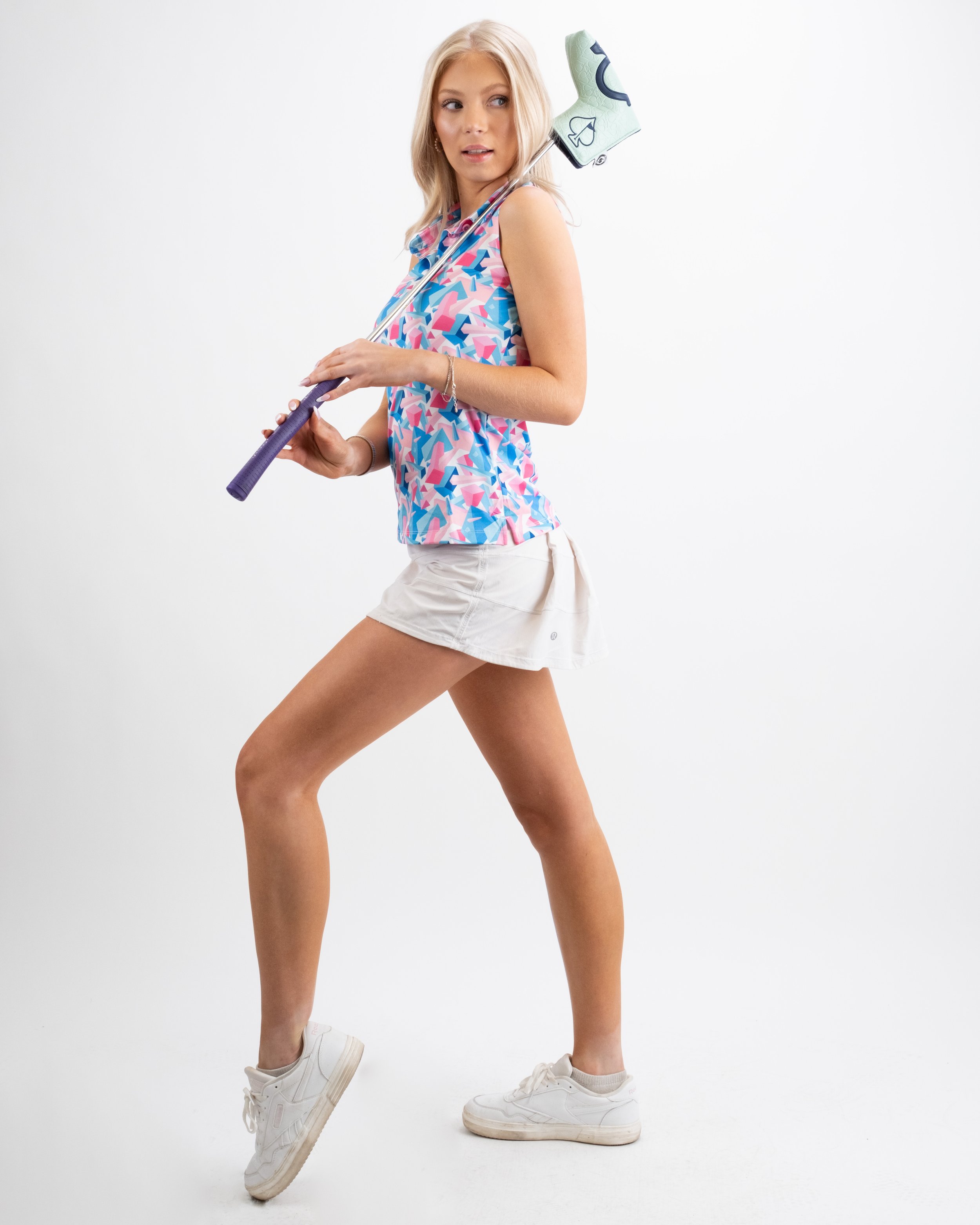
1. Understanding the Environment
Studio Photography:
The studio offers a highly controlled environment, allowing you to dictate every element — from lighting to background and props. This level of control enables consistency, which is ideal for product photography, portraits, or any work requiring specific lighting setups. Mastering the technical aspects of studio lighting (softboxes, reflectors, etc.) is key to creating balanced and intentional results.
Outdoor Photography:
In contrast, outdoor photography introduces variables like natural light, weather conditions, and diverse backgrounds. While less predictable, these elements also offer unparalleled creativity. The key to working outdoors is embracing the uncertainty and learning how to adapt to varying light conditions (sunrise, midday, golden hour) and using nature as part of your composition.
Tip: Learning how to control lighting indoors will help you become better at modifying outdoor light. Use reflectors and diffusers outdoors to mimic the precision of studio lighting.
2. Gear Selection
Your equipment choices between indoor and outdoor photography will vary. Having a versatile camera and lens kit is essential, but each environment calls for specialized gear.
Studio Gear:
Lighting equipment (softboxes, strobes, or continuous lighting)
Tripods (for precision shots)
Backdrops (to create versatile settings)
Outdoor Gear:
Portable lighting (on-camera flashes, portable strobes)
Reflectors (to manipulate natural light)
Weather protection (rain covers, camera straps, and sandbags)
Lightweight tripods (or handheld rigs for mobility)
Tip: Having a portable light source for outdoor shoots allows you to maintain consistency in your shots, especially during overcast conditions or low light situations.
3. Lighting Techniques
Lighting is the most critical factor in both studio and outdoor photography.
In the Studio:
The challenge lies in creating the right mood using artificial light. You can manipulate your lighting setup to create everything from soft, ethereal lighting to harsh, dramatic shadows. Experimenting with different lighting sources and angles can help evoke different emotions in your photos.
Outdoors:
When working with natural light, you need to learn how to read the sky. The time of day is important; golden hour offers soft, warm tones, while midday light can create harsh shadows. Overcast days are great for even lighting, while direct sunlight requires the use of diffusers to soften shadows.
Tip: Blend studio and outdoor lighting knowledge by creating dynamic lighting outdoors with strobes or natural light indoors using large windows.
4. Composing Shots
Studio Composition:
The controlled environment allows you to craft highly intentional compositions. You can change the background, add props, and position your subject with ease. Take advantage of this by playing with unique angles, abstract setups, or minimalist themes.
Outdoor Composition:
In nature, you're working with an unpredictable backdrop, but this can also elevate your shots. Use the landscape, architecture, or natural elements (trees, water, mountains) to create depth and contrast. Frame your subjects within their environment to tell a story.
Tip: Incorporate elements from outdoor photography into the studio by adding natural textures like plants, wood, or other organic props to create an outdoor feel inside.
5. Post-Production and Workflow
Whether shooting indoors or out, editing plays a major role in bringing your vision to life.
Studio Workflow:
Studio shoots often allow you to work with a consistent light and setting, meaning post-production can focus more on fine-tuning details, color correction, and retouching skin or product imperfections. It's easier to replicate and adjust consistent lighting effects in post.
Outdoor Workflow:
Outdoor shots can be more varied in tone and lighting, requiring extra attention to color grading and exposure adjustments. You might also need to enhance or minimize environmental elements, such as removing unwanted objects or adjusting skies. Pay close attention to how the natural light interacts with your subject, and fine-tune accordingly.
Tip: Use presets to create consistency in outdoor shots and develop your style. This will help merge indoor and outdoor work, giving your photography a cohesive look.
6. Challenges and Solutions
Studio Challenges: Managing the artificial environment can sometimes limit creativity. Over-reliance on controlled settings may lead to uniform images. Solution: Experiment with unconventional lighting setups or create custom sets that bring in elements of unpredictability.
Outdoor Challenges: The uncontrollable weather and natural lighting can lead to difficult shooting conditions.Solution: Always be prepared with backup lighting, portable shelters, and weatherproof gear. Learn to adapt quickly, and look for creative opportunities within unexpected changes.
7. Bridging the Gap: Hybrid Shoots
Combining studio and outdoor photography can produce unique results. For example, using portable studio lighting on location outdoors allows you to bring the precision of a studio into a natural environment. Conversely, incorporating outdoor elements into a studio shoot, such as projecting nature backdrops, can give an organic feel to your photos.
Tip: Plan a shoot where you experiment with both environments — perhaps starting indoors and moving outdoors as the light changes. This will help you improve your ability to adapt between the two.
Conclusion
Being proficient in both studio and outdoor photography opens a world of creative possibilities. The key is understanding the strengths and limitations of each environment and finding ways to blend their unique qualities. By mastering lighting, gear selection, composition, and post-production, you can seamlessly move between the two, ensuring that your work shines no matter the setting.